Sunday, April 6, 2014

[Appeal] Defeat Authoritarian Forces and Protect Democracy

- People’s Alliance for Democracy and Secularism

Dear fellow citizens

Sixty seven years ago, independent India adopted a democratic constitution that created a platform for equality and justice by ensuring the participation of all. Our constitution-makers were concerned to maintain a secular society free from any divisions of caste, sect and religion. 

What has become of that vision? A large part of the population lives in extreme poverty. Millions of Indians are denied their fundamental rights. There are strong linkages amongst powerful capitalists, biased officials and unscrupulous political representatives. The political system is in danger of being taken over and run for the benefit of the rich, rather than for the vast bulk of the Indian people. Communal forces of all colours thrive in our society. Their growth has been evident since the Delhi carnage of 1984. Biased behavior has appeared in the media, police, bureaucracy and executive. We are witnessing the criminalisation of the state. One example of this is the operation of private armies all over the country.

The Sixteenth Lok Sabha elections are an opportunity for us to preserve democracy. The RSS has emerged as a direct participant, discarding its ‘cultural’ mask. It has openly intervened in the major decisions of the BJP. Its ideology is based upon a fanatic version of nationalism . The so-called Parivar has been implicated in numerous communal incidents and the destruction of Babri Masjid in 1992. Today vast amounts of money and cadre have been mobilized in the cause of the NDA’s prime ministerial candidate. This person is an incompetent Chief Minister who presided over the crime committed in Godhra and the orgy of rape, murder, arson and looting that followed. In many cases, intervention from outside Gujarat was required to secure justice. Zakia Jafri’s husband and neighbours were butchered, and she is still asking the courts to indict Modi for criminal conspiracy. A police investigation report is being hailed as if it were a judicial acquittal. In 2003 Modi’s rival Haren Pandya was killed in a so-called terrorist attack – his widow is still fighting for justice. Modi has tried to boost his popularity through fake encounters and accusations of assassination plots, many of these cases are still in the courts. Gujarat’s anti-terrorist police units were directed to spy upon a woman who was not even suspected of being a terrorist. Narendra Modi bears responsibility for the collapse of law and order in Gujarat. We may note that Gujarat’s state assembly has functioned on average 30 to 32 days per year.

One of Modi’s ministers has been convicted of illegal mining practices. Another was in office until she was charged with conspiracy and murder. Modi resisted the appointment of a state Lokayukta for ten years from 2003. When the Governor and Chief Justice selected Justice R. A. Mehta for the post in 2011, Modi spent crores in legal fees to challenge the appointment. After the Supreme Court upheld it, the state government refused to cooperate with Mehta, leading him to decline the position. Then it amended the Lokayukta Act to make it a toothless body. Modi may have learned a lesson from the fate of his friend Yedyurappa, former BJP Chief Minister of Karnataka. Yet he talks of rooting out corruption!

These are some features of the ‘Gujarat model’. What will result under a central government controlled by Modi and his corporate backers? We have seen how peaceful protests against the Patel statue, or a nuclear power station in Bhavnagar have met with police repression. Gujarat records the highest number of attacks on RTI activists. Gujarat remains a bastion of Dalit oppression. Surveys have found the practice of untouchability in over 90% of villages and manual scavenging present even in Ahmedabad. Seizures of land at low prices, violation of environmental regulations, erosion of workers rights, phone-tapping and contempt for the rule of law will affect farmers, workers, women, democratic activists and honest officials. Modi has used his position to accuse India’s Defence Minister of being a Pakistani agent. Soon anyone daring to criticise Modi will be hounded as a traitor. Is this what we need in a prime minister?

Friday, April 4, 2014

शिक्षा अधिकार कानून के चार साल -: किसकी शिक्षा कहाँ का अधिकार ?

-जावेद अनीस

हर साल 1 अप्रैल को पूरी दुनिया मूर्खदिवस मानती है, संयोग से चार साल पहले भारत सरकार ने देश के 6 से 14 साल के सभी बच्चों को शिक्षा का अधिकार देने के लिए के लिए इसी दिन को चुना और एक अप्रैल 2010 को “शिक्षा का अधिकार कानून 2009” पूरे देश में लागू किया गया ।


वैसे शिक्षा के उद्देश्य को लेकर कहा जाता है कि शिक्षा सामाजिक, आर्थिक और राजनैतिक परिवर्तन के लिए सबसे जरूरी हथियार है और किसी भी राष्ट्र के विकास में शिक्षा एक बुनियादी तत्व है इसलिए किसी भी लोकतान्त्रिक राज्य के लिए यह जरूरी हो जाता है कि वह इसके महत्त्व को समझते हुए यह सुनिश्चित करे की देश और समाज के सभी वर्गों को समान और गुणवत्तापूर्ण शिक्षा का अवसर मिले. परन्तु इस देश का दुर्भाग्य ही कहा जायेगा की आजादी के 67 साल बाद भी यह देश आज भी अपने सभी बच्चों को स्कूलों में नामांकन को लेकर ही जूझ रहा है. अभी तक हम सभी बच्चों को स्कूल भेजने में कामयाब भी नहीं हो सके हैं,बच्चों द्वारा बीच में ही पढाई छोड़ने का दर 6% के आस पास बना हुआ है. हैरानी की बात यह है कि अगले पांच सालों के लिए देश के लिए नयी सरकार के लिए चुनाव हो रहे हे इस चुनाव में किसी भी राजनीतिक दल के लिए शिक्षा एजेंडा पर ही नहीं है।


अप्रैल 2010 में शिक्षा का अधिकार अधिनियम लागू होते है. भारत आधे अधूरे रूप से ही सही उन देशों की जमात में शामिल हो था, जो अपने देश के बच्चों को निःशुल्क शिक्षा उपलब्ध कराने के लिए कानूनन जबावदेह हैं। यूनेस्को की ’’एजूकेशन फॉर आल ग्लोबल मानिट्रिंग रिपोर्ट 2010’’ बताती है कि दुनिया के करीब 134 देशों में बच्चों को निःशुल्क और भेदभाव रहित शिक्षा प्रदान करने के लिए प्रावधान हैं लेकिन इस प्रावधान के बावजूद ज्यादातर देशों में वास्तविक रूप से भेदभाव रहित समान शिक्षा नहीं मिल पाती है। लकिन उपरोक्त रिपोर्ट में विश्वबैंक द्वारा 2005 में किये गये एक अध्ययन का भी जिक्र है, जिसके मुताबिक वास्तविक रूप से दुनिया में मात्र 13 देश ही ऐसे है जहां पूरी तरह निःशुल्क शिक्षा मिल पाती है दुर्भाग्यवश 2014 में हम पाते हैं कि भारत के बच्चे उन 13 देशों के बच्चों की तरह खुश नसीब नहीं है।

भारत ने शिक्षा के अधिकार के लेकर एक लम्बा सफ़र तय किया है और “शिक्षा का अधिकार कानून2009” इस सफ़र की मंजिल नहीं बल्कि एक पड़ाव है ! स्वतंत्रता उपरांत देश के संविधान निर्माता शिक्षा के अधिकार को संविधान में एक मूल अधिकार के रूप में शामिल करना चाहते थे, लेकिन किन्हीं कारणों से ऐसा नहीं हो सका था और इसको राज्य के नीति निर्देशक तत्वों में अनुच्छेद 45 के अर्न्तगत ही स्थान मिल सका तथा इसे राज्यों की इच्छा पर छोड़ दिया गया जो कि न्यायालयों मैं परिवर्तनीय नहीं थे।वर्ष 2002 में भारत की संसद में 86 वें सविंधान संषोधन द्वारा नया अनुच्छेद ’’21-क’’ जोड़कर इसे मूल अधिकार के रूप में अध्याय-3 में शामिल कर परिवर्तनीय बना दिया गया।इस संवैधानिक संषोधन के साथ शिक्षा के अधिकार को मूल अधिकार का दर्जा मिल गया तथा इसे नीति निर्देषक तत्वों एवं मूल कर्त्तव्यों में भी शामिल कर लिया गया। लेकिन हमारी सरकारों के पास न तो इसे लागू करने की इच्छाशक्ति थी और न ही सकारात्मक सोच।वैसे तो 1992 के मोहिनी जैन बनाम कर्नाटक राज्य के मामले में देश के शीर्ष अदालत ने ’अनुच्छेद-21’ के तहत शिक्षा पाने के अधिकार को प्रत्येक नागरिक का मूल अधिकार बताते हुये ऐतिहासिक निर्णय दिया था कि प्रत्येक नागरिक को शिक्षा उपलब्ध करवाना राज्य का संवैधानिक दायित्व है।

लेकिन उन्नीकृष्णन बनाम आन्ध्र प्रदेष (1993) 4scc645 के मामले में निजी कालेज संचालकों ने न्यायालय से मोहिनी जैन मामले में अदालत द्वारा दिये गये फैसले पर पुर्नविचार के लिए आवेदन दिया। इसके बाद अदालत ने शिक्षा को मूल अधिकार तो माना लेकिन इसे 14 साल तक के बच्चों तक सीमित कर दिया। इसी कड़ी में “शिक्षा का अधिकार अधिनियम 2009” है जो केंद्र तथा राज्यों के लिए कानूनी बाध्यता है ।

Friday, March 28, 2014

आओ हम ढोएं हिन्दुत्व की पालकी

-सुभाष गाताडे

अस्सी के दशक में उत्तर भारत के कुछ शहरों में एक पोस्टर देखने को मिलता था।रामबिलास पासवान के तस्वीर वाले उस पोस्टर के नीचे  एक नारा लिखा रहता था मैं उस घर में दिया जलाने चला हूं, जिस घर में अंधेरा है।उस वक्त़ यह गुमान किसे हो सकता था कि अपनी राजनीतिक यात्रा में वह दो दफा राष्ट्रीय स्वयंसेवक संघ के आनुषंगिक संगठन भारतीय जनता पार्टी का चिराग़ रौशन करने पहुंच जाएंगे। 2002 में गुजरात जनसंहार को लेकर मंत्रिमंडल से दिए अपने इस्तीफे की “गलती”  को ठीक बारह साल बाद ठीक करेंगे, और जिस शख्स द्वारा राजधर्मके निर्वाहन न करने के चलते हजारों निरपराधों को अपनी जान से हाथ धोना पड़ा, उसी शख्स को मुल्क की बागडोर सम्भालने के लिए चल रही मुहिम में जुट जाएंगे।

मालूम हो कि अपने आप को दलितों के अग्रणी के तौर पर प्रस्तुत करनेवाले नेताओं की कतार में रामबिलास पासवान अकेले नहीं हैं, जिन्होंने भाजपा का हाथ थामने का निर्णय लिया है।

रामराज नाम से इंडियन रेवेन्यू सर्विसमें अपनी पारी शुरू करनेवाले और बाद में हजारों अनुयायियों के साथ बौद्ध धर्म का स्वीकार करनेवाले उदित राज, जिन्होंने इक्कीसवीं सदी की पहली दहाई में संघ-भाजपा की मुखालिफत में कोई कसर नहीं छोड़ी, वह भी हाल में भाजपा में शामिल हुए हैं। पिछले साल महाराष्ट्र के अम्बेडकरी आन्दोलन के अग्रणी नेता रिपब्लिकन पार्टी के रामदास आठवले भी भाजपा-शिवसेना गठजोड़ से जुड़ गए हैं। भाजपा से जुड़ने के सभी के अपने अपने तर्क हैं। पासवान अगर राजद द्वारा अपमानितकिए जाने की दुहाई देते हुए भाजपा के साथ जुड़े हैं तो उदित राज मायावती की जाटववादीनीति को बेपर्द करने के लिए हिन्दुत्व का दामन थामे हैं, उधर रामदास आठवले राष्ट्रवादी कांग्रेस पार्टी से खफा होकर भाजपा-शिवसेना के महागठबन्धन का हिस्सा बने हैं।

इसमें कोई दोराय नहीं कि इस कदम से इन नेताओं को सीटों के रूप में कुछ फायदा अवश्य होगा। पासवान अपने परिवार के जिन सभी सदस्यों को टिकट दिलवाना चाहते हैं, वह मिल जाएगा, वर्ष 2009 के चुनावों में जो उनकी दुर्गत हुई थी तथा वह खुद भी हार गए थे, वह नहीं होगा ; उदित राज सूबा यू पी से कहीं सांसदी का चुनाव लड़ लेंगे और अपने चन्द करीबियों के लिए कुछ जुगाड़ कर लेंगे या आठवले भी चन्द टुकड़ा सीटें पा ही लेंगे। यह तीनों नेता अपनी प्रासंगिकता बनाए रख सकेंगे, भले ही इसे हासिल करने के लिए सिद्धान्तों को तिलांजलि देनी पड़ी हो।

इसके बरअक्स विश्लेषकों का आकलन है कि इन नेताओं के राष्ट्रीय स्वयंसेवक संघ के आनुषंगिक संगठन भाजपा के साथ जुड़ने से उसे एक साथ कई फायदे मिलते दिख रहे हैं।

अपने चिन्तन के मनुवादी आग्रहों और अपनी विभिन्न सक्रियताओं से भाजपा की जो वर्णवादी छवि बनती रही है, वह तोड़ने में इनसे मदद मिलेगी; दूसरे, 2002 के दंगों के बाद यह तीनों नेता भाजपा की साम्प्रदायिक राजनीति की लगातार मुखालिफत करते रहे हैं, ऐसे लोगों का इस हिन्दुत्ववादी पार्टी से जुड़ना, उसके प्रधानमंत्री  पद के प्रत्याशी मोदी की विवादास्पद छवि के बढ़ते साफसुथराकरण अर्थात सैनिटायजेशन में भी मदद पहुंचाता है। यह अकारण नहीं कि कुछ ने संघ-भाजपा के इस कदम को उसकी सोशल इंजिनीयरिंग का एक नया मास्टरस्ट्रोक कहा है। एक अख़बार में प्रकाशित एक आलेख नरेन्द्र मोदी की आर्मीमें - जिसने दलित वोटों का प्रतिशत भी दिया है, जिसका फायदा भाजपा के प्रत्याशियों को मिलेगा।

Tuesday, March 25, 2014

भ्रष्टाचार मुक्त शासन और विकास के भ्रम साथ हिंदुत्व का घालमेल

- किशोर झा 

भारतीय जनता पार्टी ने अडवाणी को लोकसभा चुनाव में गाँधी नगर से प्रत्याशी बनाने का फैसला किया है. कहा जा रहा है कि यह निर्णय अडवाणी की असहमती होने के बावजूद मोदी के इशारे पर लिया गया है. अटकलों का बाज़ार गरम है कि वो गाँधी नगर से चुनाव नहीं लड़ना चाहते क्योंकि उन्हें आशंका है कि मोदी उन्हें इस सीट पर हरवाने का प्रयास कर सकते हैं . यह मुद्दा कोई नया नहीं है बल्कि इसकी शुरुआत अडवाणी की इच्छा के विरुद्ध पार्टी द्वारा नरेन्द्र मोदी को राष्ट्रीय चुनावों की कमान सौपने के साथ हुई थी . उस समयइसकी प्रतिक्रिया में अडवाणी के इस्तीफे देने और थोड़े नाटक के बाद वापस लेने और अब सीट के मुद्दे पर इस तनाव के कई आयाम है, जिन्हें बारीकी से देखने की जरूरत है, पर हमारा मीडिया सिर्फ इसे मोदी बनाम आडवाणी के रूप में पेश करना चाहता है ..

एक समय मोदी और अडवाणी दोनों को बी जे पी के भीतर एक ही ख़ेमे के खिलाडियों के तौर पर जाना जाता था. बी जे पी में प्रगतिशील राजनीति का पक्षधर तो कभी कोई नहीं रहा पर मोदी और अडवाणी दोनों को पार्टी में घोर कट्टरपंथी ख़ेमे के तौर पर जाना जाता रहा है और बाजपेयी जैसे नेताओं को नरमपंथी ख़ेमे के तौर पर. गुजरात जनसंहार के बाद बाजपेयी ने जरूर राजधर्म की आड़ में मोदी की छुपे तौर पर आलोचना की थी पर आडवाणी ने हमेशा मोदी साथ दिया है .

इन दोनों नेताओं की मुलाकात आपातकाल के दौरान हुई थी और तब से लेकर 2005 तक आडवाणी मोदी का समर्थन और संरक्षण करते आये थे. सिर्फ समर्थन ही नहीं मोदी की उंगली पकड़ के उन्हें सत्ता के गलियारों की उचाईयों तक पहुचाने में भी आडवाणी की अहम भूमिका रही है. केशुभाई पटेल और शंकर सिंह वाघेला जैसे दिग्गजों को पछाड कर मोदी को गुजरात के राजनैतिक पटल पर चमकाने में भी आडवाणी की भूमिका रही है .मोदी ने भी 1991 में आडवाणी को गांधीनगर से चुनाव जितवा कर और आडवाणी की रथयात्रा को सफल बनाने में योगदान देकर अपने शिष्य धर्म को बखूबी निभाया था .

Thursday, March 20, 2014

Public Lecture by Michael Lebowitz: Fall of 'Real Socialism' and Visions for Socialism in the 21st Century


Public Lecture by Prof. Micheal Lebowitz

'Fall of 'Real Socialism' and Visions for Socialism in the 21st Century'

1.30 pm, Friday, 21st March, Lecture Theatre, Dept. of Political Science, Faculty of Social Sciences, Delhi University, Opposite Daulat Ram College

Michael Lebowitz is a founding member of the Socialist Studies Society and a Professor Emeritus of Economics at Simon Fraser University. From 2004-2011, he was an advisor in Venezuela and headed the programme ‘Transformative Practice and Human Development’ at Centro Internacional Miranda in Caracas, Venezuela. 

As of 2013, he had published 10 books and numerous articles; among countries where editions of his books have been published are Cuba, Venezuela, Chile, China, India (several languages), South Korea, Spain, Turkey, Greece and Norway. His current projects include books on human development and market self-management in Yugoslavia. Among representative publications are: "Beyond Capital: Marx’s Political Economy of the Working Class" (2003) - winner of the 2004 Isaac and Tamara Deutscher Memorial Prize for best work in the Marxian tradition; (2006) Build it Now: Socialism for the 21st Century; (2009) Following Marx: Method, Critique and Crisis; (2010) The Socialist Alternative: Real Human Development; and, (2012) Contradictions of ‘Real Socialism’: the Conductor and the Conducted.

For the facebook event page, click here

RSPV: 9818557916, 9013074978, 9911078111

Saturday, March 15, 2014

Fear of Small Numbers

- Siobam Haripriya

Photo Courtesy: Shruti Batra
The past couple of months have seen sporadic racial violence in the national capital. A lot of people from the “Northeast”, especially in the academics and civil society, have also been asked to put their perspectives on the “issue”. So finally after a long time racism seems to be in the radar which is good news. But one need not rejoice much as one still needs to think through what kind of racism is on the radar. The incident against the Ugandan women led by the former law Minister of a party which calls itself the Aam Aadmi Party is not discussed still to the extent as the racism against the “northeast” is. The incident also points to the collusion of the state, its representatives and its machinery in racist attacks, similar to its endorsement of communal, caste and gender based violence. There is still a huge discomfort to admitting that we are a racist society and “race” based crimes get endorsed on the excuse of saving the “north Indian” society from the cultural affront that women and men of certain “race” or nationality presents. Our selective anger and mobilisation on the lines of nationality is deeply problematic and reveals the lack of an intention to engage with racism head on. The attempt now should be to connect these different incidences as stemming from the same way of looking at people who are “different”. 

Discourse on race teaches us that race is essentially a false category made socially real by our belief in it. Racism is propelled by the placing certain values on physical difference, values that mostly create hierarchy and fear. The idea of “race” which lies at the heart of racism has been long dismantled by works both in disciplines of sciences and social sciences, yet this false category remains a historical and lived reality. What people perceive of as characteristics of a certain “race”/ “people”/ “community” are not real yet lazy stereotypes abound in thoughts and consequently in words that we use as a part of our everyday. The stereotypes also seem to create an unnatural and absurd fear –the fear of small numbers (“Fear of Small Numbers” is the title of a book by Arjun Appadurai). The fear of small numbers is perhaps an almost pathological disorder when you start seeing the minority everywhere, when you fear being overrun by them. For the “mainstream” we seem to be just that –the racial other, a small number to be feared, who make insidious insinuation against the national army or perhaps the idea of the nation itself. 

Wednesday, March 12, 2014

Hidden in Plain Sight: Problems of Democracy under Capitalism and Socialism

Note: This is the text of a talk delivered at the International Seminar on “Democracy, Socialism, and the Visions for the 21st Century”, 7th to 10th March, 2014 Hyderabad, India

- Ravi Sinha

If one has to say something brief and short about a large and complex subject, which is also a much discussed topic, one always runs the risk of stating the obvious. But one may also chance upon the unexpected and the counter-intuitive. Problems of democracy under capitalism and under socialism have by now a ring of tiring familiarity around them, but they also contain surprises that are hidden in plain sight. While fixing my coordinates by recounting the obvious, my hope is to point towards aspects that may be counter-intuitive to the political common sense prevalent in much of the left and the social movements.

Let me begin with the status of democracy under capitalism. Popular mind considers them complementary to each other. Ancients – whether in Greece or in India – were familiar with the concept of democracy and, at least in some famous examples, they are also supposed to have practiced it. But the large-scale acceptance and practice of democracy overlaps with the history of capitalism. In addition, the history of socialism of the twentieth century has been such that this association got further entrenched in the popular mind. I will come to the socialism question a little later. For now, let me stay with the relationship between democracy and capitalism.

If I were to say, then, that at the core of this relationship lies a tension that is fundamentally irresolvable, it would appear counter-intuitive to the popular common sense. On the other hand, it would appear obvious to a leftist. On both counts there are reasons to dig a little deeper. Truth is often counter-intuitive for the wrong reasons, but at times it is also obvious for the wrong reasons.

If democracy is irreconcilable with capitalism at some fundamental level, how is it that they have coexisted in the real world for such a long time? The short answer is – always at the cost of democracy. They have lived together but not on equal terms. Capitalism always had the trump, although one should not overlook the fact that, over time, it has also shaped up to the growing rigors of democracy. During much of the early history of capitalism citizenship rights were confined to the property owners. Slaves and women, for example, were not considered full humans worthy of citizenship and democratic rights. The situation has now changed, but not entirely. Democracy is allowed into many parts of capitalism’s mansion and this access has enlarged over time, but it is barred from the gilded central halls and it would never be allowed into the sanctum.

One of the non-negotiables is private property. Not that many would like to negotiate over it. Everyone loves private property, especially one’s own. This virtue or vice, whichever way you look at it, is not confined to the capitalists. Everyone, it seems, would like to keep both – private property and democracy. And, private property is part of the genetic code of capitalism. Where, then, is the case for democracy being irreconcilable with capitalism?

Let us do a bit of unpacking of the concepts. Take the case of democracy. Its conceptual map can be drawn along two axes – one of power and the other of freedom. If democracy means people will govern themselves, some mechanism would have to be put in place for the formation and execution of the popular will. Ideally, every citizen must participate actively and equally in this process. There must also be social accountability of the exercise of power even when power emanates from popular will. Institutions, mechanisms and practices of democracy are supposed to approximate this ideal. 

The second axis is that of freedom or liberty, although we on the left often feel shy of using the latter word. It is taken as a code word for capitalism, private property and individualism. In any case, having aligned the axis of power along the democratic principle, we are still faced with a critical question. How much of life do we wish to bring under democracy? If you are surprised by this question, especially coming from a leftist, let me rephrase it. In how many aspects of your life would you be willing and happy to live in accordance with the popular will? 

It is not an easy question to answer. And, answers keep changing through history and across social conditions. Perhaps, we can more fruitfully ask – what is the desirable direction for this answer to change? This, I believe, can be answered more firmly. The direction should be such that increasingly larger domains of life get released progressively from the grip of the system – from the grip of any system, including the most democratic ones.

Monday, March 3, 2014

Marginalised within the Margins: Meitei Muslims in Manipur

- Soibam Haripriya

Ever since childhood I remember being in highly homogeneous groups of friends and familial circles. Such circles have the tendency to numb us to differences, an easy sedate living insulated from those different from us. It was not a shock though considering the direction the country and the state is heading when a friend narrated to me in a series of conversation the travails any muslim girl growing up in Manipur would have most probably undergone. “‘Amina Begum’ is one of one such verbal harassment thrown at anyone wearing the hijab or have wrapped herself up in a scarf or chaddar,” she explained. People like us who are not subject to such particular harassment and targeting based on religious affiliation might even state that such harassment is to be taken lightly. Harassment of such kind is mildly called laknaba, a term as innocuous as eve teasing, a term which could include an array of other activities which are indeed innocuous and thereby makes it difficult for women to argue that laknaba is verbal harassment also, or perhaps what is required is to coin another term which would encompass the ordeal that such an act embodies. While it is more often than not understood and (hopefully) a consensus built around the fact that women undergo harassment at most public and private spaces such harassment of the minorities should be understood as of much more virulent an attack and the fear of being small in numbers is not to be underestimated. The point here is not to compare the degrees of ordeal that women undergo but to state that women belonging to different communities are marked out differently, the minorities always bearing the brunt and in the case of Manipur, the muslims become the other. Just as we are in other parts of the country marked out by our features, they are in their own land marked by other visible markers.

Sites that we as “mainstream”, at least in Manipur (by we, I mean the majority community of Manipur, the Meiteis regardless of being hindus or followers of Sanamahi religion) have taken as sacred if looked at through a different lens gives quite an altogether different picture. For instance, Kangla (in the news for quite some time now) has easily morphed from being a site of kingly subjugation to a site of resistance, if only, for the Meiteis. Manipuri muslims or Meitei pangal is the category in the census and such colloquial words –pangal, hao have in time acquired prejudices by what the majority community prefix and suffix with these words that most people with political sensitivity prefer the English replacement –muslim, tribal. A series of conversation with this friend from the Meitei pangal community revealed for me the many flaws of my own community. Her research interest being sacred spaces she interviewed some of the priests in Kangla. It is difficult to identify her as the “other” from her name or her “looks”. She was entertained with her queries for a few days after which she was told in no uncertain terms that she has polluted the space. As a political move there has been many feasts organised in the space of Kangla wherein people from other religious and ethnic communities have been invited, if only for political correctness. The priest also gave her some of his own opinion on how such moves pollute the space of Kangla. Are we to think then that it is only on such marked off days that “the others” are invited, allowed inside the so-called sacred space? It is to be remembered that spaces only become sacred by exclusivity, an exclusivity that more often than not is built on an exclusion, an exclusion that marks certain people as unpolluted and thereby those who are so. It is time we look at such spaces and understand that in the exalted histories of such spaces lie narratives of subjugation/ discrimination.

Meitei Pangal boys celebrating Eid-ul-Fitr

Sunday, March 2, 2014

Peoples Alliance for Democracy & Secularism - Resolutions Adopted on February 27, 2014

The Peoples Alliance for Democracy & Secularism, comprising activist groups and individuals from across the country, held a one day national convention in New Delhi on Feb 27, 2014. After due discussions, reports and debates, the convention resolved as follows:

1. The national convention of the Peoples Alliance for Democracy & Secularism calls upon members of the public to uphold communal harmony at all costs; oppose communal propaganda and violence; defend democratic liberties and practices; and resist communal forces of all hues in the coming elections. It also notes that democratic freedoms are a life and death issue for workers, the poor and dispossessed.

2. The convention asserts the need and requirement for state institutions to be divested of religious symbolism and display of any variety.

3. The convention notes that public peace depends upon the proper functioning and accountability of the police and criminal justice system. It calls upon public officials at all levels and in all branches of administration to discharge their constitutional duties without fear, favour or bias.

4. The convention notes that women and children are often the worst affected by communal violence and communal ideas; it resolves to support women’s movements in their struggle against the politics of patriarchal domination.

5. The convention asks the Union government and governments of states to produce a White Paper on action taken after all Commissions of Inquiry into communal incidents since Independence; and provide justice to all victims of communal violence. It calls upon both Houses of Parliament to offer condolences to all victims of communal violence; and apologise on behalf of the Union of India for its failure to uphold Article 21 of the Constitution that assures all citizens of their right to life and liberty unless deprived of it by due process of law.

Friday, February 28, 2014

Balancing Interests: Two reasons to oppose the current modalities of reservation adopted by Delhi University

- Hany Babu

Delhi University teachers are witnessing a peculiar phase. On the one hand, a large number of teachers who have been relegated to the status of "adhoc teachers" for years on end see some glimmer of hope for a much deserved and long awaited "permanent" status as the University and many of its colleges have started advertising for permanent posts after a long span. On the other hand, some groups of teachers from the Scheduled Castes, the Scheduled Tribes, and the Other Backward Classes have moved the High Court challenging the way in which the University and its colleges have adopted the 200 point post based recruitment roster (in the matter of Delhi University SC/ST/OBC Teachers Forum and another vs. University of Delhi and others (WP(C) 803 of 2014 at the High Court of Delhi). 

For a large number of onlookers, the scenario is a bit bewildering as the University, for the first time, seems to have made some positive steps towards the proper implementation of reservation as reflected by two factors: (i) the number of seats earmarked for the reserved categories has definitely gone up as reflected in the advertisements that have come out both for the departments and for the colleges in the university; and (ii) for the first time, reservation has been extended in the cadres of associate professor and professor for the Scheduled Castes and the Scheduled Tribes. What, then, has driven the teachers from the Scheduled Castes, Scheduled Tribes, and the Other Backward Classes to court, people wonder.

One question that bothers many is this: when things seem to have taken a positive turn for the Scheduled Castes, the Scheduled Tribes, and the Other Backward Classes, is it justifiable that a group of teachers have approached the High Court? Maybe they do have some grievance, but, then, doesn't their moving the Court have the undesirable consequence that appointments may get stalled, in which case the interest of thousands of adhoc teachers will get affected. Some even go to the extent of accusing the teachers who have moved the Court of having ulterior motives, or of having been motivated by political factions that may have their own vested interest in stalling the appointments. Interestingly, a group who had always seemed to be unhappy with the reservation policy have also become quite active in hurling such accusations. On the other side, the groups pushing for speedy appointments are accused of being supporters of an administration that has shown scant regard for a dialogic engagement with teachers and students who, for quite justifiable reasons, have differed with and have opposed vehemently the views of the administrators. Even if we give a long rope, the fact that it is more or less the same groups that have supported all the reforms of the administration and that press for speedy appointments with the existing modalities begs for some explanation. 

The supporters of reservation in Delhi University, thus, find themselves in a quandary as they have a double burden on their shoulders. They need to justify their action of moving the Court to a general public, who by and large have been indifferent (if not antipathetic) to reservation. More importantly, they need to convince the "adhoc teachers" that the damage that will be caused to the Scheduled Castes, the Scheduled Tribes, and the Other Backward Classes if the University and its colleges proceed with the current recruitment drive is much graver than the hardship caused to the thousands of adhoc teachers if the appointments do get stalled because of the intervention of the Court. 

Thursday, February 27, 2014

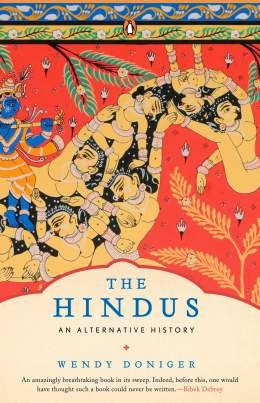
Whose "Hurt Sentiment"? On Pulping of Wendy Doniger's Book - ASEAK

- Association of Students for Equitable Access to Knowledge (ASEAK)

From Rushdie’s The Satanic Verses to Wendy Doniger’s The Hindus: An Alternative History, we are witness to an increasingly regressive trend of banning books, films and art in the name of ‘hurt sentiments’. However, while in a plural and diverse society as ours where sentiments are routinely hurt, when do certain instances of ‘hurt sentiments’ translate into the clamping down of such ‘hurtful’ narratives, leading to their censorship and banning? The aggressive intolerance towards any effort that challenges the dominant discourse on religion, caste, gender, sexuality, nation, etc. points us in a direction where knowledge produced takes the shape of propaganda. In the face of this attack, let us reclaim our right to think, question, challenge and criticize – the pillars of knowledge production.

To address and discuss the issue a public meeting was organized by Association of Students for Equitable Access to Knowledge (ASEAK) on 26th February at Delhi School Economic. The public meeting was address by Mukul Mangalik (Associate professor, History, Ramjas College), Apoorvanand (Professor, Dept. of Hindi, Delhi University), Noor Zaheer (Writer and cultural activist) and Sanjay Kak (filmmaker). Professor Uma Chakravarti could not make it to the meeting, but a statement sent by her was read out. 

Public Meeting: Whose "Hurt Sentiment"?

During the public meeting, ASEAK also issued a STATEMENT condemning the withdrawal and pulping Doniger's book. The text of the statement is reproduced below:  

ASSOCIATION OF STUDENTS FOR EQUITABLE ACCESS TO KNOWLEDGE (ASEAK) CONDEMNS PENGUIN'S DECISION TO WITHDRAW AND PULP WENDY DONIGER'S BOOK The Hindus: An Alternative History

ASEAK condemns Penguin India’s cowardly decision to buckle under pressure from conservative lobbies such as the Shiksha Bachao Andolan and to have agreed to withdraw Professor Wendy Doniger’s book The Hindus: An Alternative History, and pulp the remaining copies of the same. We identify this as the most recent incidence of the growing attack on the freedom of expression and the right to criticize in our country. It also serves to remind us of the growing culture of aggressive intolerance that is characterizing the transformation taking place in the political landscape of India, where holding different and dissenting viewpoints is increasingly being censured/vilified, through the subversion of institutions meant to uphold democratic virtues, or by outright force. The Doniger affair is a wake up call for those of us who think that the various spheres of our lives remain untouched by the regressive transformations we see in the political culture around us. The case underlines the fact that the political shift underway has massive implications for our work as academics and for the process of knowledge production in a democratic society such as ours.

We stand resolutely against the censuring of expression and censorship of works of scholarship in the name of ‘hurt sentiments’. Be it in the name of religion, sexuality, nationalism or any other self-held beliefs, the logic of ‘hurt sentiments’ is an obscurantist device employed by self-appointed custodians of the reigning morality of our social order. These actors, be they religious fundamentalists, regional chauvinists, ultra nationalists or mega corporations are interested in maintaining a singular narrative about what they stand to define for society. This is so because they draw their authority by maintaining only one version, one that they script, about the Truth. They are threatened by critical enquiries and by the very act of questioning of their self-held beliefs, which they propagate as the Truth. If a belief cannot stand the weight of questioning, then we believe it is only just that it should be allowed to crumble under the same.

Tuesday, February 18, 2014

National Convention for Democracy and Secularism - New Delhi, February 27, 2014

People's Alliance for Democracy and Secularism
National Convention
27th February 2014, Hindi Bhavan, Near ITO, New Delhi

The spectre of communal politics is once again haunting the country. The recent violence in western Uttar Pradesh should be taken as a warning. Added to this is the attraction among sections of the public for authoritarian solutions. The coming general elections may prove to be a watershed. There is a real danger that political forces which have routinely violated democratic rights of ordinary citizens on the basis of their religion, language or sub-national identities, may succeed in their long term goal of establishing an authoritarian and fascist state power. The threat is not only to minorities; an authoritarian state will attack democratic rights of all.

Recent developments have deep roots. Even though Indian state is governed by a secular constitution, communal forces of all colours have thrived in our society. All of them are marked by intolerance, patriarchal attitudes and the habit of unleashing violence in the name of 'hurt sentiments'. Nearly all political parties play upon communal identities and sentiments. Communal tendencies are present in media, bureaucracy, and popular culture. Nor can these be separated from the widespread casteism and gender violence. All Indians who value their democratic rights, including working poor, women, and oppressed castes and minorities, should ideally be standing against communal-authoritarian forces. We are the overwhelming majority of Indians, yet no viable political force exists to mobilise and fight for our aspirations for a democratic and secular India.

Communalism can be resisted and defeated only by strengthening democratic institutions and practices. The People's Alliance for Democracy and Secularism (P.A.D.S.) is an attempt of democratic and anti-communal organisations and individuals to deepen the roots of democracy and secularism in Indian society. It is organising a National Convention for Democracy and Secularism in Delhi on 27th February. Large number of democratic and anti-communal organisations and individuals from different parts of the country are expected to participate. The convention will be a day long exercise in analysis, planning and strategising against communal-authoritarian forces, both in the immediate context of coming general elections, and the long term goal of building a democratic and secular society.

Wednesday, February 12, 2014

Modi and The Art of ‘Disappearing’ of Untouchability

- Subhash Gatade
I
It is a story attributed to a famous Saint from Middle Ages – a votary of the idea of Brahma Satya, Jagat Mithya (Brahma is the Only Truth, Rest is All Illusion). Once this gentleman was walking with his Shishya (disciple) on a road and suddenly a elephant appeared from nowhere and rushed towards this duo. Abruptly ending his discussion on Maya (illusion) the Guru instructed his Shishya to just run away to save himself. When both of them were at a safe place, the exasperated Shishya asked the Guru, why did he ask him to run knowing well that everything else is an ‘illusion’. Without winkling his eyelid the Guru said 'Gajopi Mithya, Palayanopi Mithya' (The elephant was also an illusion and our running away was also an illusion).
One does not know whether the famous sage had visited Gujarat or not but his influence seems palpable there at least among the ruling elite. If the Guru could ‘invisibilise’ the elephant calling it an illusion, here in Gujarat an age old problem like untouchability could be similarly ‘disappeared’ by terming it a matter of ‘perception’.
Appears unbelievable?
Perhaps you can have a look at a Gujarat government sponsored report titled “Impact of Caste Discrimination and Distinctions on Equal Opportunities: A Study of Gujarat”, authored by Centre for Environment Planning and Technology University (CEPT) University scholars led by Prof R. Parthasarathy, which calls caste discrimination a matter of “perceptions”.
II
In his blog "True Lies" senior journalist Rajiv Shah has provided detailed critiqued of the study.

To put in a nutshell this CEPT report is a governmental response to an exhaustive study titled ‘Understanding Untouchability’ done by Ahmedabad based NGO ‘Navsarjan Trust’ with the help of Robert F Kennedy Center for Justice and Human Rights. (2009) which demonstrated with concrete data the wide prevalence of untouchability both in public and private spheres in interaction between scheduled castes (SCs) and non-scheduled castes (non-SCs), as well as within SCs: among the several jatis in rural Gujarat.  This report covered around 1,600 villages in Gujarat, did complete survey of these villages based on few parameters ranging from temple entry to the use of common well, and similar other factors. According to ‘Navsarjan’ out of the villages covered 98 per cent still practised untouchability.
It is important to note that the results of the Navsarjan study were widely covered by the media e.g. Times of India carried out stories based on the study for three days [‘No Temple Entry for Dalits in Gujarat’ (December 7, 2009), ‘Vibrant Gujarat? 98% Dalits have to Drink Tea in Separate Cups’ (December 8, 2009), and ‘Dalit Kids Shamed at Mid-day Meals’ (December 9, 2009)]. The media also raised questions on the state government’s tall claim of a ‘vibrant Gujarat’. A Gujarati version of the report ‘Aabhadchhet ni Bhal’ was also published for wider circulation.
Although it was not a first study of its kind, looking at the comprehensive nature of the work undertaken the Gujarat Government could have accepted its findings or at least looked at it more sympathetically. Perhaps it could have been taken up as a wake-up call so that the tremendous hiatus between all talk of ‘Swarnim Gujarat’ and the actual situation on the ground could have become more explicit prompting the government as well as members of civil society to take up sincere efforts to ameliorate the situation.
We can see that things did not move the way any sane and just person would have imagined.
Looking at the fact that the ongoing debate had the potential of putting a spanner in the well cultivated image of a Samras (harmonious) Gujarat under Modi, a panicky government asked CEPT to review and verify Navsarjan’s findings. In fact, the government seemed so keen to give a clean chit to itself that it adopted a two pronged approach to tackle the uncomfortable situation in which it found itself. Apart from commissioning the above mentioned study it constituted a committee under the chairmanship of the then minister for social justice, Fakirbhai Vaghela and secretaries of different concerned departments to refute the findings of the report. The government instructed its officers to get affidavits from scheduled caste village residents regarding non-existence of untouchability.

Monday, February 10, 2014

Mirror ..Mirror on the Wall !: Who Were Those 'Bad Elements' Mr Bhagwat?

- Subhash Gatade

'Cat drinks milk with closed eyes and thinks the world is not watching it'

(Marathi Proverb)

I.

Rare have been occasions in recent times that the RSS, with all its anushangik (affiliated) organisations on their toes, is engaged in dousing the fire in which it has caught itself unawares. Reason being the 'interview' of one of its own Pracharaks (wholetimer) turned terrorist named Swami Aseemanand which was published in a leading magazine of our times. (click here to here the Caravan Magazine article). According to the RSS, it is a 'concocted' one and has even issued a handwritten letter supposedly written by the interviewee 'denying' that any such interview occurred whereas the magazine has stood the ground and has even made transcripts of the said interview and its audio recordings public.

Perhaps with the 'denial' by the interviewee the matter should have ended there for the RSS, but this does not seem to be the case. And for reasons which is known to itself, it is trying to 'clarify' its stand on various aspects which came up during the interview and is trying to distance itself - once again - from Swami Aseemanand alias Naba Kumar Sarkar, a disciplined activist of the 'Parivar' for last more than three decades, who hails from the same village in West Bengal where Ramkrishna Paramhans was born.

The reasons for this apparently strange behaviour are not difficult to understand.

It is for the first time that the role of Mohan Bhagwat, the Sangh Supremo himself- the man who would be declared 'kingmaker' if his 'anointee' manages to reach the top post - has come under scanner as it is being claimed in the said interview that he not only 'blessed' one of the most violent phase of Hindutva politics in recent times - popularly known as Hindutva terror - but in fact had its tacit support.

And with the Supremo himself under scanner and calls for fresh investigations from different quarters getting louder, nervousness seems writ large on their faces. The left parties, especially CPM has even demanded "[a] CBI probe into the claims made by Swami Aseemanand, that the RSS leadership had "sanctioned" these terror acts'." The pathetic situation in which RSS finds itself today can be gauged from all those clarifications which it is officially making regarding Aseemanand. RSS declared in a press release that Aseemanand was 'never a leader in the RSS' and 'such reports are mischievous and misleading'. Dr Manmohan Vaidya, Akhil Bharatiya Prachar Pramukh emphasised that 'Swami Aseemanand has never held any post at any level in the RSS'. (http://www.truthofgujarat.com/orphaning-swami-aseemanand-nathuram-godse-typical-tales-disownment-rss/selection_256/)

Poor Dr Manmohan Vaidya, somebody should have reminded him that RSS had fielded Ram Madhav few years back to discuss l'affaire Aseemanand when he was ultimately nabbed by the intelligence sleuths and in fact, had a different take on the whole issue. The said press conference was held in the second week of February 2011 in the national capital. It was the time when law of the land had finally caught up with the real perpetrators behind Ajmer and Mecca Masjid bomb blasts and the terror module comprising of Devender Gupta, Lokesh Sharma, Ramji Kalasangra, Assemanand and others had come to the limelight. With RSS pracharaks and the expert bomb maker Ramji Kalasangra and his associate Sandeep Dange still absconding, the CBI had to put a reward on them for information leading to their arrest. Giving a completely new and almost unforeseen twist to the Aseemanand episode, Madhav had said that Aseemanand had “in fact” left the RSS in 2006. As a good spokesperson, he had dished out the usual disclaimers in the beginning itself : RSS does not believe in violence etc.

Thursday, February 6, 2014

The Unending Amnesia Over Hindutva Terror

- Subhash Gatade
..[A]seemanand’s description of the plot in which he was involved became increasingly detailed. In our third and fourth interviews, he told me that his terrorist acts were sanctioned by the highest levels of the RSS—all the way up to Mohan Bhagwat, the current RSS chief, who was the organisation’s general secretary at the time. Aseemanand told me that Bhagwat said of the violence, “It’s very important that it be done. But you should not link it to the Sangh.”
Aseemanand told me about a meeting that allegedly took place, in July 2005. ..In a tent pitched by a river several kilometres away from the temple, Bhagwat and Kumar met with Aseemanand and his accomplice Sunil Joshi. Joshi informed Bhagwat of a plan to bomb several Muslim targets around India. According to Aseemanand, both RSS leaders approved, and Bhagwat told him, “You can work on this with Sunil. We will not be involved, but if you are doing this, you can consider us to be with you.”
(Reportage: The Believer: Swami Aseemanand’s radical service to the Sangh, by LEENA GITA REGHUNATH, 1 February 2014, Caravan Magazine)
‘Law is an ass’ a phrase which was used by Charles Dickens in ‘Oliver Twist’ in a completely different context today finds a deep resonance in this part of South Asia. And nothing illustrates this better than the predicament of what is popularly known as Hindutva terror.

The manner in which people who supposedly have been planners, masterminds, funders of the whole operations have been allowed to go scot free, the way in which one finds acquittal of accused case after case, the manner in which a supposedly secular government at the hustings has declined to ban proto-fascist organisations who were found to be involved in criminal terrorist operations or the apathy with which the media - which calls itself watchdog of democracy - has preferred to softpedal the threat it poses to the foundations of the Republic itself is unprecedented.

And the less said about the curious case of Lt Col Purohit, it is better. This gentleman, who was with the Military Intelligence Wing, is languishing in jail since last more than five years as an accused/key figure in many terror attacks, involving many RSS and other Hindutva activists but has yet not been suspended by his bosses and is in an uneviable situation the world has rarely witnessed where he is regularly receiving his salary with all the doles involved. (As an aside it need be mentioned here that this information was made available to the outside world by one of his co-accused himself - an ex army man Ramesh Upadhyaya - who filed RTI application to get the information.) And the Supreme Court has blocked the National Investigating Agency (NIA) from questioning him.

But the most urgent thing on the agenda is the fresh revelation that top leaders of the Hindutva brigade were not only very much in the know of this violent phase but were infact its real patrons.

In her reportage ‘The Believer : Swami Aseemanand’s radical service to the Sangh’ Leena Gita Raghunath (February 2014 issue) has provided details of her four interviews with Assemanand in a span of more than two years which bring forth this lesser reported aspect. The total duration of these interviews ran into 09 hours and 26 minutes. 

It is widely reported that Assemanand, who started to work with RSS since his childhood and later focused his activities with affiliated organisation of the Sangh called Vanvasi Kalyan Ashram is presently on trial on charges which involves murder, criminal conspiracy and sedition, in connection with three bombings which witnessed 82 deaths. His name also finds mention in two other charge sheets involving two other blast cases but has not yet been formally declared an accused. Together, the five attacks killed 119 people.

This man who according to the author ‘is perhaps the most prominent face of Hindu extremist terrorism.’ is happy that he has been “. kept in the same cell as Gopal Godse,” and by his ‘..own account, hosted planning sessions, selected targets, provided funds for the construction of IEDs, and sheltered and otherwise aided those who planted the bombs.’

Describing his meetings with RSS Supremo Mohan Bhagwat and one of its key leaders Indresh Kumar he told the author: 
“Then they told me, ‘Swamiji, if you do this we will be at ease with it. Nothing wrong will happen then. Criminalisation nahin hoga (It will not be criminalised). If you do it, then people won’t say that we did a crime for the sake of committing a crime. It will be connected to the ideology. This is very important for Hindus. Please do this. You have our blessings.’”

Monday, February 3, 2014

Protest March held against Racism, Racist Violence and Vigilantism

This evening a protest march against racism, racist violence and vigilantism was organised by New Socialist Initiative (NSI). The immediate context of the protest march was the recent brutal murder of Nido Taniam - a young student of Arunachal Pradesh by a mob in Lajpat Nagar; vigilante mob assault led by the Law Minister of Delhi against African women in Khirki village; and broad daylight assault on two Manipuri women in Kotla-Mubarakpur. Hundreds of people joined the protest march. The march started from Delhi University metro station at 5.30 pm and culminated into a public meeting infront of International Women's Hostel and Northeast Women's Hostel in Indra Vihar (Mukherjee Nagar). Large number of students and activists spoke at the meeting and resolved to carry forward the fight against not just racism but also against all kinds of oppression and discrimination.


The protesters reiterated that not only is there a pressing need to talk about explicit racism but also to recognise the subtler ways in which our underlying prejudices reveal themselves. The fact remains that racism is not an issue of individuals and circumstances but is structural and is institutionalized into the very fabric of our society. 

As of now racism is not even recognized as a problem. The attitude towards people from Northeast and Africa is so normalised and commonplace that the idea of racism as a manifestation of unacceptable bias, prejudice and discrimination is alien. The demand that the Government and the larger society awakens to this issue and takes into consideration the rampant racism which is rooted in spaces all around us is a basic but an essential one. The fact that we have to even demand this basic minimum only goes to show the abysmal degree of neglect.


Sunday, February 2, 2014

धारा 377:- कौन तय करेगा प्राकृतिक-अप्राकृतिक, वैध-अवैध

-अंजलि सिन्हा

Courtesy-http://www.newslaundry.com/
सुप्रीम कोर्ट ने धारा 377 पर दाखिल पुनर्विचार याचिका खारिज कर दी है। यह याचिका केन्द्र सरकार तथा नाज़ फाउण्डेशन ने दायर की थी। न्यायमूर्ति एच एल दत्त और न्यायमूर्ति एस जे मुखोपाध्याय की खंडपीठ ने पुनर्विचार करने से इन्कार किया है। मामला यह है कि संविधान की धारा 377 जो कि समलैंगिक सम्बन्धों को अपराध की श्रेणी में रखती है, उसे समाप्त करने के लिए लम्बे समय से मांग उठती रही है। संघर्षरत लोगों को उस समय बड़ी राहत मिली थी जब दिल्ली हाईकोर्ट ने केस पर यह फैसला दिया था कि समलैंगिक सम्बन्ध अपराध नहीं हैं। (2 जुलाई 2009)

मालूम हो कि हाईकोर्ट ने प्रस्तुत फैसला सुनाते हुए संविधान निर्माताओं द्वारा - खासकर डा. अम्बेडकर द्वारा की गयी संवैधानिक नैतिकता पर विस्तृत चर्चा की थी। उसने कहा था कि संवैधानिक नैतिकता नागरिकों के बीच समानता का आधार है क्योंकि सार्वजनिक नैतिकता, जो एक तरह से समाज में वर्चस्वशाली लोगों की नैतिकता होती है वह कभी भी जनतंत्रा की गारंटी नहीं कर सकती और विशेषकर अपने नागरिकों -खासकर हाशिये पर पड़े नागरिकों को - समानता और सम्मान सुनिश्चित नहीं कर सकती।

जाहिर है कि सुप्रीम कोर्ट ने इस मसले की इस तरह व्याख्या करने से इन्कार किया है और ऐसा हस्तक्षेप करने के लिए विधायिका को कहा है। याद रहे कि धारा 377 अंग्रेजों ने उस वक्त लागू की थी जब उन्हें लगता था कि उनकी सेना और उनकी बेटियों को पूरब के अवगुण लगेंगे। इस धारा को उन्होंने अपने देश में यह कहते हुए समाप्त किया है कि आपस में सहमति रखनेवाले वयस्कों के लिए ऐसे सम्बन्ध कोई अपराध नहीं कहे जा सकते।

हाईकोर्ट के इस फैसले को चुनौती देते हुए बाबा रामदेव की संस्था से लेकर तमाम धार्मिक संगठनों ने, व्यक्तियों ने सुप्रीम कोर्ट में अपील दायर की थी तथा धारा 377 को कायम रखने की अपील की थी। 11 दिसम्बर 2013 को सुप्रीम कोर्ट ने हाईकोर्ट के इस फैसले को निरस्त कर दिया  और फिर एक बार समलैंगिक सम्बन्ध अपराध के दायरे में आ गए। ज्ञात हो कि इस आचरण के लिए उम्र कैद तक की सज़ा हो सकती है। यह कानून पुलिस द्वारा लोगों को प्रताडित करने का सबसे आसान हथियार भी बन जाता है।